Introduction
Playgrounds are lively areas where youngsters discover, play, and establish essential social skills. Nevertheless, they can additionally be hotspots for crashes and injuries. Recognizing how to effectively get ready for and react to play area accidents is critical for teachers, parents, and caregivers alike. This write-up dives deep into the different facets of playground safety, from recognizing common threats to effective first aid actions.
Playground Accidents: Just how to Prepare and Respond Effectively
When you consider play areas, you might visualize laughter, pleasure, and carefree enjoyable. However hiding underneath the surface is the fact that crashes take place-- in some cases when the very least expected. Whether first aid and emergency courses sydney it's a small scrape or an extra severe incident, knowing how to deal with these scenarios is vital.
Understanding Play ground Safety and security Hazards
Common Play area Hazards
Before we look into first aid protocols, it's essential to recognize common dangers existing in play area setups. These include:
- Equipment Failures: Ropes fraying, swings damaging, or slides with sharp edges. Surface Material: Difficult surfaces like concrete can cause serious injuries if a kid falls. Environmental Factors: Weather such as rainfall can make surface areas slippery.
Childcare Safety and security Threats Australia
In Australia, specific guidelines exist concerning child care safety risks that should be followed. Comprehending these guidelines helps in mitigating danger factors effectively.
HLTAID012 Qualification Australia
What is HLTAID012?
HLTAID012 describes the program accreditation needed for people giving first aid in academic setups. This thorough training covers numerous scenarios that may occur in a childcare environment.
Importance of HLTAID012 Certification
Having personnel that hold an HLTAID012 accreditation makes sure that instant response duties are consulted with confidence and proficiency throughout emergencies.
Building Teacher Confidence
Training Requirements for Educators
It's crucial that teachers go through routine training sessions on topics such as youngster defibrillation support and managing small wounds. Consistently upgrading their abilities encourages them to act confidently throughout emergencies.
Practical vs Composed Components
How typically should functional training happen versus composed analyses? Striking a balance makes certain personnel not only comprehend the theory but can apply it practically when necessary.
First Help Basics for Playgrounds
Childcare Centre Emergency treatment Kit Australia
Every child care centre should have a well-stocked emergency treatment kit customized particularly for kids's demands. Products must include:

- Adhesive bandages Antiseptic wipes Ice packs EpiPen (for serious allergies)
First Help Essentials for Parents Australia
Parents need to also familiarize themselves with fundamental first aid methods. Understanding just how to take care of choking avoidance or acknowledging bronchial asthma symptoms can save lives.
Choking Avoidance Techniques
Understanding choking prevention is important in any type of establishing where children play. Some usual choking threats consist of:
- Small toys Food things like grapes or nuts Balloons
Teaching kids about safe eating methods and guidance can help prevent these incidents.
Epipen Administration
For children with recognized allergic reactions, recognizing exactly how to carry out an EpiPen is vital. This entails:
Recognizing symptoms of anaphylaxis. Knowing where the EpiPen lies within the first aid kit. Following right administration protocols.Managing Minor Wounds
Minor scrapes and cuts are prevalent on play grounds. Below's just how to manage them properly:
Clean the wound gently making use of soap and water. Apply antiseptic ointment. Cover with a clean and sterile bandage. Monitor for indicators of infection over time.
Proper Hand Hygiene Practices
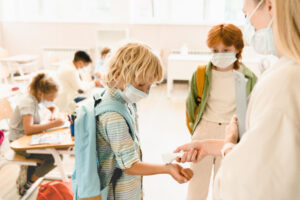
Maintaining proper hand hygiene amongst youngsters is essential after any injury or before consuming snacks at the playground.
- Teach children the importance of washing hands. Use antibacterial wipes when soap and water aren't available.
Recognising Bronchial asthma Signs and symptoms in Children
Asthma assaults can take place suddenly during physical activity such as using the swings or associating friends.
Signs may consist of:
- Coughing Wheezing Difficulty breathing
Educators ought to recognize how to react by utilizing inhalers as needed and contacting emergency services if signs worsen.
Incident Reporting Protocols
Accurate documents complying with any kind of accident is crucial in instructional settings:
Record information immediately after a case occurs. Include names of witnesses. Describe what occurred leading up to the incident clearly. Submit records according to developed standards within your institution.Immediate Feedback Duties Throughout Emergencies
In case of an emergency situation on a play area:
Ensure safety by relocating other children far from harm. Assess injury severity rapidly-- does it require specialist medical attention? Comfort the damaged kid while awaiting further support or rescue arrival.Renewal Timelines for Emergency treatment Certifications
Keeping accreditations up-to-date is essential; as a result:
- HLTAID012 accreditations generally require renewal every 3 years.
Regular training refresher courses help preserve expertise retention among teachers concerning childhood emergencies.
Baby mouth-to-mouth resuscitation Australia Guidelines
Babies may encounter various emergencies compared to older youngsters; thus understanding infant CPR strategies is important:
Place baby on a firm level surface. Begin upper body compressions at a rate of 100-- 120 per min at a deepness of approximately 4 cm (1 1/2 inches). Always call a rescue before beginning CPR if possible!Toddler Emergency treatment Basics Australia
Toddler-specific factors to consider include identifying poisonous substances or choking risks unique to their developing stage:
- Remind moms and dads concerning keeping little objects out of reach.
Additionally, inform caregivers on identifying very early indications of ailment like high temperature which can rise into something calling for prompt attention.
FAQ Section
1) What are some common playground mishaps?
Common play area incidents can range from small scrapes due to diminishes equipment, ending up being wedged in between structures, allergies from exterior irritants-- all prospective occurrences require handling promptly!

2) Just how commonly ought to first aid packages be checked?
First help sets should be checked monthly; ended products need to be replaced swiftly so they prepare when needed most!
3) Why is it essential for child care personnel to have first aid training?
First-aid-trained team supply confidence not just via their expertise best first aid courses brisbane yet also due to the fact that they're equipped with abilities needed throughout emergencies making certain kids's security stays paramount throughout activities undertaken!
4) What actions should I take if my kid has a bronchial asthma attack?
If your kid shows indicators of a bronchial asthma assault, guarantee they rest upright calmly while using their inhaler as recommended-- call emergency services if signs stay uncontrolled!
5) Are there certain regulations controling play area security standards?
Yes! Each region has standards describing needs related specifically towards keeping safe atmospheres within education systems and leisure parks alike-- these vary commonly based upon locality best first aid refresher course so checking local authorities' arrangements will certainly yield insight accordingly!
6) What does appropriate hand health require in child care settings?
Proper hand hygiene includes cleaning hands extensively under running water with soap for at least 20 seconds post any type of injury/after snack time-- making use of alcohol-based sanitizers when soap isn't available additionally helps in reducing risk aspects relevant in the direction of transmissible conditions spreading amongst teams easily!
Conclusion
Playground accidents are unpreventable however convenient with adequate prep work and proper responses in position! By gearing up educators-- and parents-- with knowledge bordering first-aid procedures along with acknowledging potential threats ahead-of-time creates much safer environments helpful towards learning through play! Being proactive as opposed to responsive sets up future generations' success while supporting enthusiasm surrounding youngster freedom without endangering wellness requirements valued today!